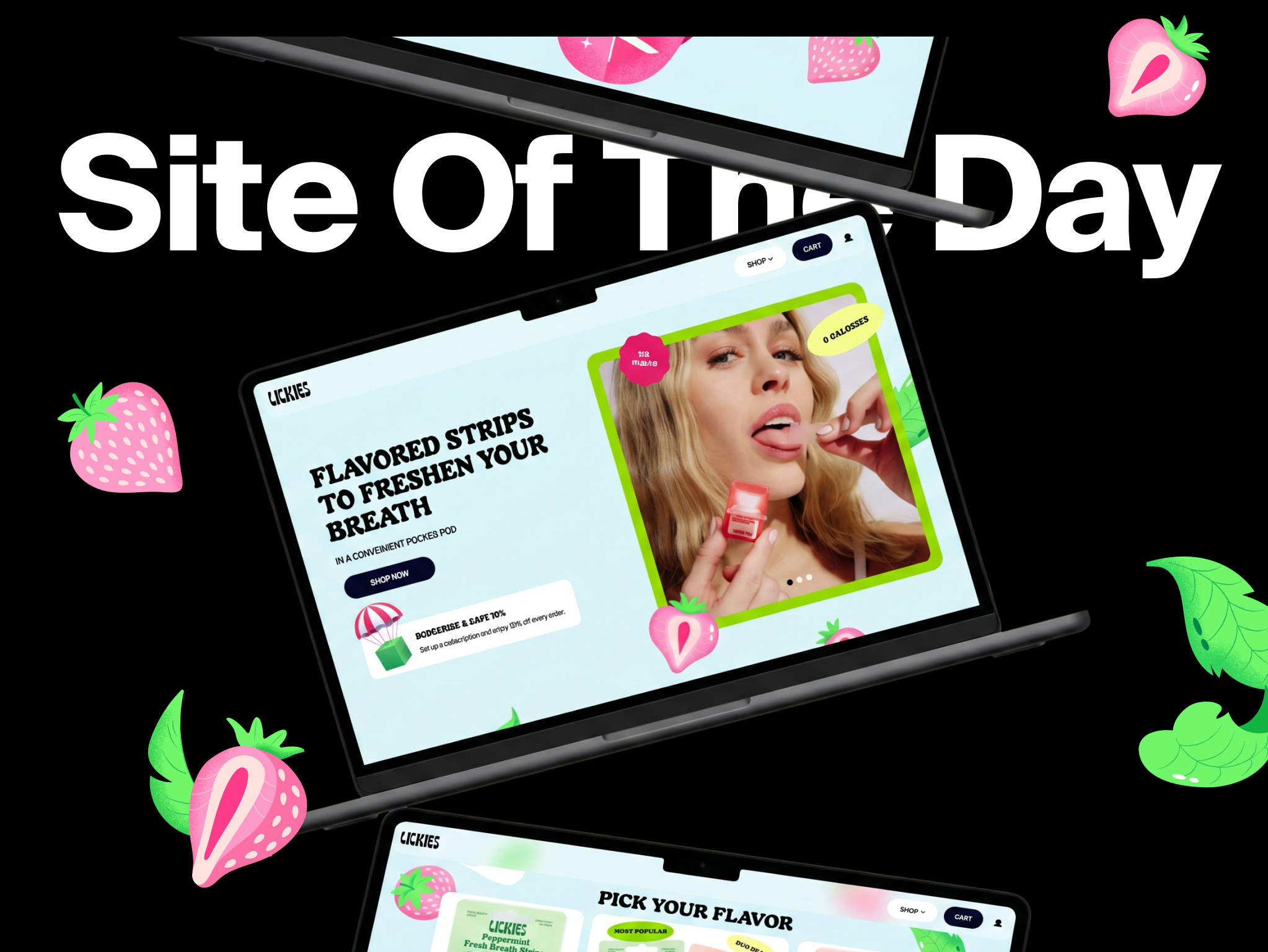
Our recent cases. Just a sample, from startups to F500.

Thank you! Your submission has been received!
Oops! Something went wrong while submitting the form.
Crypto
Fintech
Sergey Krasotin
Design Director
No items found.

How a Team of Just 11 People Generates $1B in Revenue

We worked with a team of just 11 people generating $1B in revenue – and I saw exactly how they do it.

No one says ”not my problem”.

Designers think about performance. Engineers improve onboarding copy. Everyone works toward the same goal: a safe, fast, confident product.

Decision magnitude like an enterprise, speed like a startup. Instant calls, not weeks later.

Advice for growing teams – try to make sure that every team member cares about the result not just about stuff that’s in their job description. This is the key to success.

replies
No items found.
Sergey Krasotin
Design Director
No items found.

Why Constraints Spark Creativity

The most inspiring design projects don’t come from corporate roadmaps. They come from play.

This week I saw someone build a fully functional PC out of Lego – complete with monitor and keyboard styled like an ’80s machine. And yes, it runs modern games.

What struck me wasn’t the nostalgia. It was the reminder that constraints force creativity. With enough imagination, even plastic bricks become a high-performance product.

We’ve seen the same in startups we work with: teams that embrace constraints – budget, time, tech stack – often deliver the most original UX. They don’t overthink. They build. They test. They surprise users.

Innovation doesn’t always need more resources. Sometimes it needs fewer – plus the courage to make something unexpected.

replies
No items found.
Aleksandra Serova
Brand and Marketing Director
No items found.

How We Crossed 1M Views Reach on Instagram Without Paid Ads From Zero?

Here’re 3 rules.

Post regularly. Imperfect and posted beats perfect post in drafts. We kept a simple weekly cadence and stuck to it.

Keep the content uniform. If people follow us for product and app concepts, we show them those. Different spheres but similar format.

Be human. We reply to comments, ask questions, and jump into DMs. Even for a business profile real human voice wins.

Bonus point. When we swapped a 3D avatar for a dog photo – follow rate went up :)

You don’t need ads to hit 1M views reach. We did it from zero.

Now let's take your project to 1M
replies
Sports
Sergey Krasotin
Design Director
No items found.

The Notification that Ruins the Game

I met today with a brilliant design researcher working in sports. He shared a great little story about notifications in sports apps.

Designers often think they’re doing something positive – helping fans celebrate a goal, or keeping them updated on big moments. The intention is good.

But here’s the problem: most people hate them. Why? Because live broadcasts have delays – sometimes 10 or even 30 seconds.

Imagine this: you’re watching Chelsea fight for their lives in defence. Suddenly, you get a notification – “Chelsea score!” A few seconds later, you see the counterattack start… and 10 seconds later Chelsea concede. Spoiler delivered, experience ruined.

It’s a funny example of how a feature that looks good in theory completely fails in the real world.

The lesson? When you ship new features, test them yourself.

Install them on your own phone, live with them for a few days. You’ll spot problems much faster – and fix them before users hate them.

replies
No items found.
Aleksandra Serova
Brand and Marketing Director
No items found.

How to Make Async Design Review?

Our best design reviews happen while half the team is asleep

At Humbleteam, our projects run across San Francisco, Dubai and London. Waiting for overlap would kill our speed, so we made design reviews fully async. Before clocking off, each designer records a short Loom (3 to 5 minutes) walking through their Figma file. They don’t just show screens – they explain reasoning, trade-offs and open questions.

While they sleep, teammates drop comments, tag components, suggest tweaks.

Because no one’s in a rush to “just decide,” the feedback is sharper and more thoughtful.

By morning, the designer wakes up to a prioritized list of changes – no meetings, no “can we hop on a call?” back-and-forth.

We’ve cut iteration cycles from three days to one.

The work moves 24/7, even when we don’t.

Good async reviews aren’t about Loom or Figma. They’re about clarity, discipline and trusting your team to keep building while you rest.

replies
Health-Tech
Fintech
Crypto
Sergey Krasotin
Design Director
No items found.

Every Product Leader Should Ask Their Team This

Two days ago, I had the chance to speak at the conference in Germany focused on medical UX. It was great to catch up with professionals from across the field – from fast-moving startups to enterprise-scale companies.

The best part was getting a quick snapshot of the industry from dozens of product and design leaders. And one big pattern stood out: teams still work in silos.

Designers and researchers don’t always talk.

Researchers say they have tons of data – but designers rarely use it. Product managers and engineers often lose context.

It’s a common story. We’ve seen it in startups too. If you stop a random person in your team – designer, engineer, whoever – and ask them what your one-year vision is, there’s a good chance they’ll struggle to answer.

And that’s a problem, because alignment builds motivation.

When everyone knows where to dig, the work goes faster – and in one direction.

So here’s a small check you can try: Ask 3-4 people in your team what they think your product will look like in a year. Listen carefully. The differences might surprise you.

I did this right after the conference with one of the startups we work with – and the answers ranged from “we’re going deeper into B2C” to “we’re pivoting to B2G.”

Turns out, clarity isn’t a given – even in great teams.

Order design
replies
Sports
No items found.

What Humbleteam does for sports companies

Humbleteam helps European sports clubs, leagues, federations and sports-tech brands design, optimise and scale world-class digital products. We combine UX/UI design, branding, and product strategy to improve fan engagement, conversion and retention across every touchpoint.

Optimise and grow existing digital products

We analyse fan behaviour, identify friction in membership, ticketing and merchandising flows, and deliver UX solutions that increase LTV, conversion and revenue. Our team uncovers what drives loyalty and turns insights into clear product opportunities.

Invent and design new fan-focused products

From fan engagement platforms and matchday apps to athlete management systems, OTT experiences and fantasy games — we help sports organisations define product-market fit and build high-impact digital experiences.

Our core services

Audit & research: fan motivation, behaviour and UX opportunities.
App design: membership, loyalty, content, and in-stadium experiences.
Website design: fast, conversion-driven sports websites.
Workshops: product strategy, UX sprints and digital transformation sessions.

Who we work with

Sports clubs and organisations, leagues and federations, sportswear and equipment brands, OTT and streaming platforms, wellness and fitness tech, esports and fan engagement products.

Samantha Jollivet
They went beyond by putting in overtime hours when necessary to ensure the project's success.
23
11
4
12
replies
Tangible Markets
Operations Coordinator
Fintech
Sergey Krasotin
Design Director
No items found.

Good UX is Invisible

Last year, while redesigning a fintech app, we heard the same feedback again and again: “Everything just feels smoother now.”

Users couldn’t point to a specific button, screen, or flow. What they noticed was the absence of friction. Fewer dead ends, fewer questions like “What does this mean?” or “Where do I go next?”

That’s the paradox of UX design: the better the work, the less visible it becomes. But it’s not accidental. Each invisible improvement is the result of dozens of micro-decisions-language tweaks, hierarchy adjustments, error states clarified, onboarding flows refined.

When people don’t notice UX, it means they can stay focused on their actual goals – booking a flight, paying a bill, sending money – without distraction.

That’s the measure of success: not delight for its own sake, but clarity that fades into the background.

Contact us
replies
We use cookies to enhance your browsing experience,
serve personalised ads or content, and analyse our traffic.
By clicking "Accept All", you consent to our use of cookies.
Privacy policy